Panettone – Italy’s Luxurious Holiday Bread
With its airy texture and delicate aroma of citrus and candied fruits, panettone is Italy’s undisputed Christmas icon. Originating in Milan during the Renaissance, one legend credits its invention to a baker named Toni, who created a rich, fruit-laden bread to impress a noblewoman—hence the name pan di Toni. Another tale speaks of a royal chef improvising a dessert for a Christmas banquet.
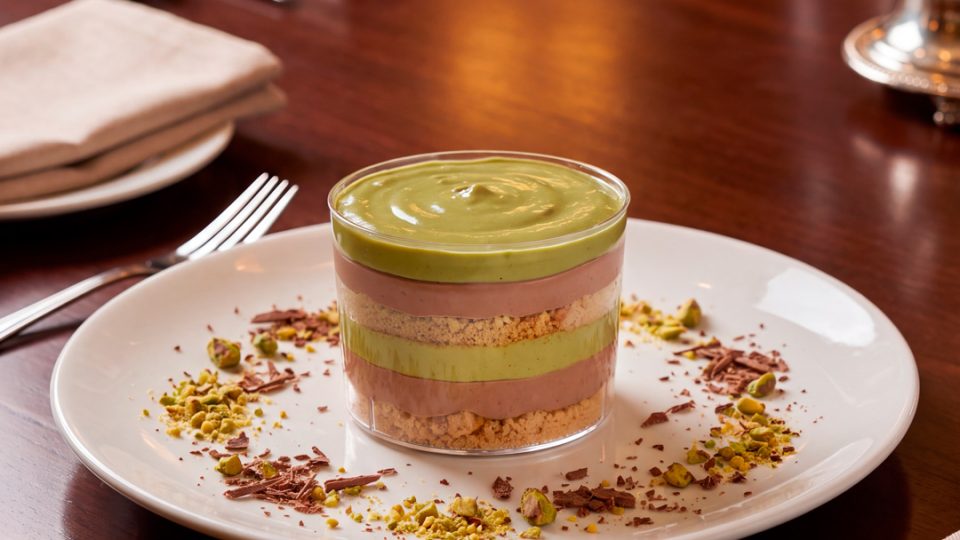
What makes panettone special is its complex preparation. The dough, often made with wild yeast, requires long fermentation—sometimes days—to achieve its signature fluffiness. Classic ingredients include fine flour, eggs, butter, sugar, and candied orange peel, lemon zest, and raisins. Modern versions may feature chocolate, pistachio, or mascarpone cream.
In Italy, panettone is more than a dessert—it’s a shared experience, often enjoyed with Prosecco or coffee. Leftovers are transformed into puddings or toasted slices, extending the joy beyond the holiday.

Stollen – Germany’s Sacred Christmas Loaf
Germany’s answer to festive bread is stollen, a dense, aromatic loaf dusted generously with powdered sugar. First documented in 15th-century Dresden, stollen began as a simple Advent bread made with flour, yeast, water, and oil. A papal decree in 1491 allowed bakers to use butter, transforming it into a rich holiday treat.
Known as Christstollen, this loaf is packed with candied fruits, almonds, nuts, and sometimes marzipan. Its oval shape symbolizes the swaddled Christ child, while the snowy sugar coating represents purity and the winter season.
Stollen is traditionally served with tea, coffee, or mulled wine, making it a comforting centerpiece of German Christmas celebrations.

Babka – A Journey Through Eastern European Flavours
Babka, meaning “grandmother” in Slavic languages, evokes memories of home and heritage. This Eastern European sweet bread is similar to cozonac but with a twist—literally. Its rich, yeasted dough is braided and filled with decadent layers of chocolate, cinnamon, nuts, or dried fruits.
Though its origins are hazy, babka is believed to have emerged in northern Eastern Europe, lovingly prepared by grandmothers for family gatherings. Today, it’s a versatile dessert, with endless flavour combinations and a texture that’s both tender and indulgent.

Gugelhupf – Alsatian Elegance with Austrian Charm
Originating in Alsace, France, gugelhupf is a conical-shaped cake with a rich aroma and festive flair. Popularized in Austria during the medieval period, it was often the centerpiece of weddings, adorned with flowers, fruits, and candles. Its legacy continued through the Austro-Hungarian Empire, and today it graces Viennese cookbooks as a refined dessert infused with rosewater and almonds.
Made from flour, eggs, butter, sugar, and milk, gugelhupf is enhanced with flavours like vanilla, cinnamon, and almonds. Baked in a distinctive mold, it emerges golden and fragrant, with a soft, delicate crumb.
From Italy’s panettone and Germany’s stollen to Eastern Europe’s babka and Alsace’s gugelhupf, these festive desserts are more than culinary delights—they’re edible expressions of tradition, celebration, and shared joy. Each bite is a journey through time and culture, reminding us that sweetness is a universal language of togetherness.